March 16, 2026
How to Grocery Shop Healthy on a Budget Without Sacrificing Nutrition
Healthy Eating Does Not Have to Be Expensive
One of the biggest myths about nutrition is that eating well always costs more. While some specialty products and trendy wellness foods can be expensive, a healthy diet does not require premium prices. In fact, with the right strategy, healthy grocery shopping on a budget can be both realistic and sustainable.
The key is not to buy more food. It is to buy smarter food. When you focus on nutrient-dense staples, intentional planning, and practical shopping habits, you can build balanced meals without overspending.
If you want to save money while still eating well, these budget grocery tips can help you make healthier choices without sacrificing nutrition.
Why Budget-Friendly Healthy Eating Starts With a Plan
The most effective way to reduce grocery costs is to shop with a clear plan. Going to the store without a list often leads to impulse purchases, duplicate items, and food waste. Planning allows you to buy what you actually need and use.
Before you shop, ask yourself:
- What meals will I make this week?
- What ingredients do I already have?
- Which foods can be used in more than one meal?
- What produce is in season or on sale?
A simple meal outline for the week can make a major difference in how much you spend. When you build your grocery list around meals instead of random products, you create a more efficient and affordable system.
Focus on Nutrient-Dense Staples
If your goal is to find affordable, healthy groceries, start with basic foods that deliver strong nutritional value for a lower cost.
Budget-friendly healthy staples include:
- Oats
- Brown rice
- Lentils
- Canned beans
- Eggs
- Plain Greek yogurt
- Frozen vegetables
- Bananas
- Potatoes
- Peanut butter
- Canned tuna or salmon
- Whole-grain pasta
These foods are rich in protein, fiber, vitamins, and minerals and can be combined into a variety of satisfying meals. They also tend to have a longer shelf life, which helps reduce waste.
Buy Whole Foods More Often Than Packaged “Health” Foods
One of the easiest ways to save money is to avoid overpaying for foods marketed as healthy. Protein bars, smoothie blends, single-serve snacks, and specialty packaged items often cost far more than simple whole-food alternatives.
For example:
- Plain oats are usually cheaper than flavored instant oatmeal packets
- A large tub of Greek yogurt costs less per serving than individual cups
- Whole fruits are more affordable than packaged fruit snacks
- Dried beans often cost less than pre-seasoned convenience meals
Whole foods are often more nutritious and more budget-friendly than heavily branded alternatives.
Use Sales Strategically
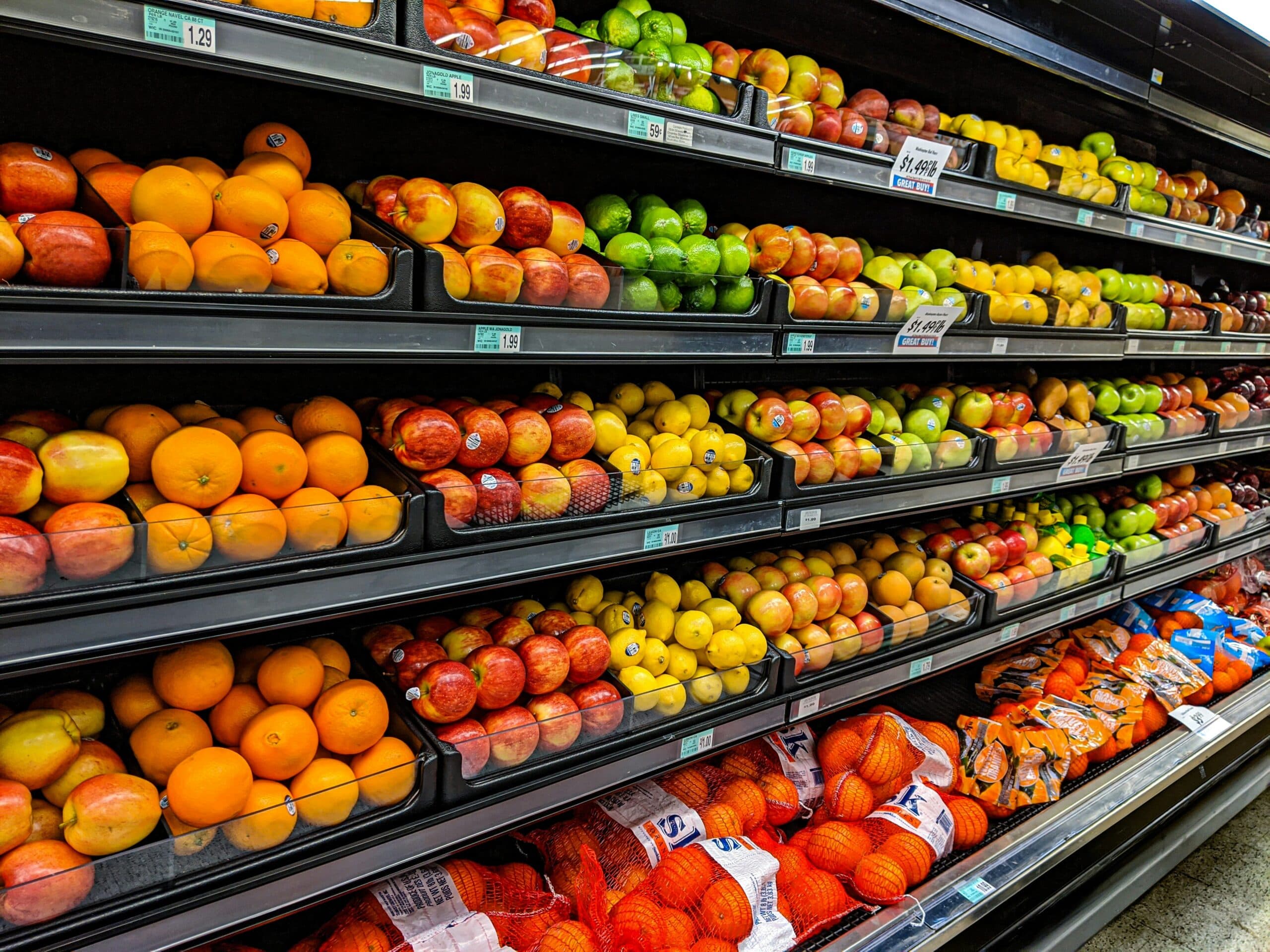
Sales can help lower your grocery bill, but only if you shop them with intention. Buying an item just because it is discounted does not save money if you do not use it.
Use sales to stock up on:
- Frozen vegetables
- Whole grains
- Beans
- Nut butters
- Canned fish
- Broth
- Pantry spices
- Freezable proteins
When possible, build your meal plan around sale items rather than trying to force expensive ingredients into your routine.
Choose Frozen and Canned Produce When It Makes Sense
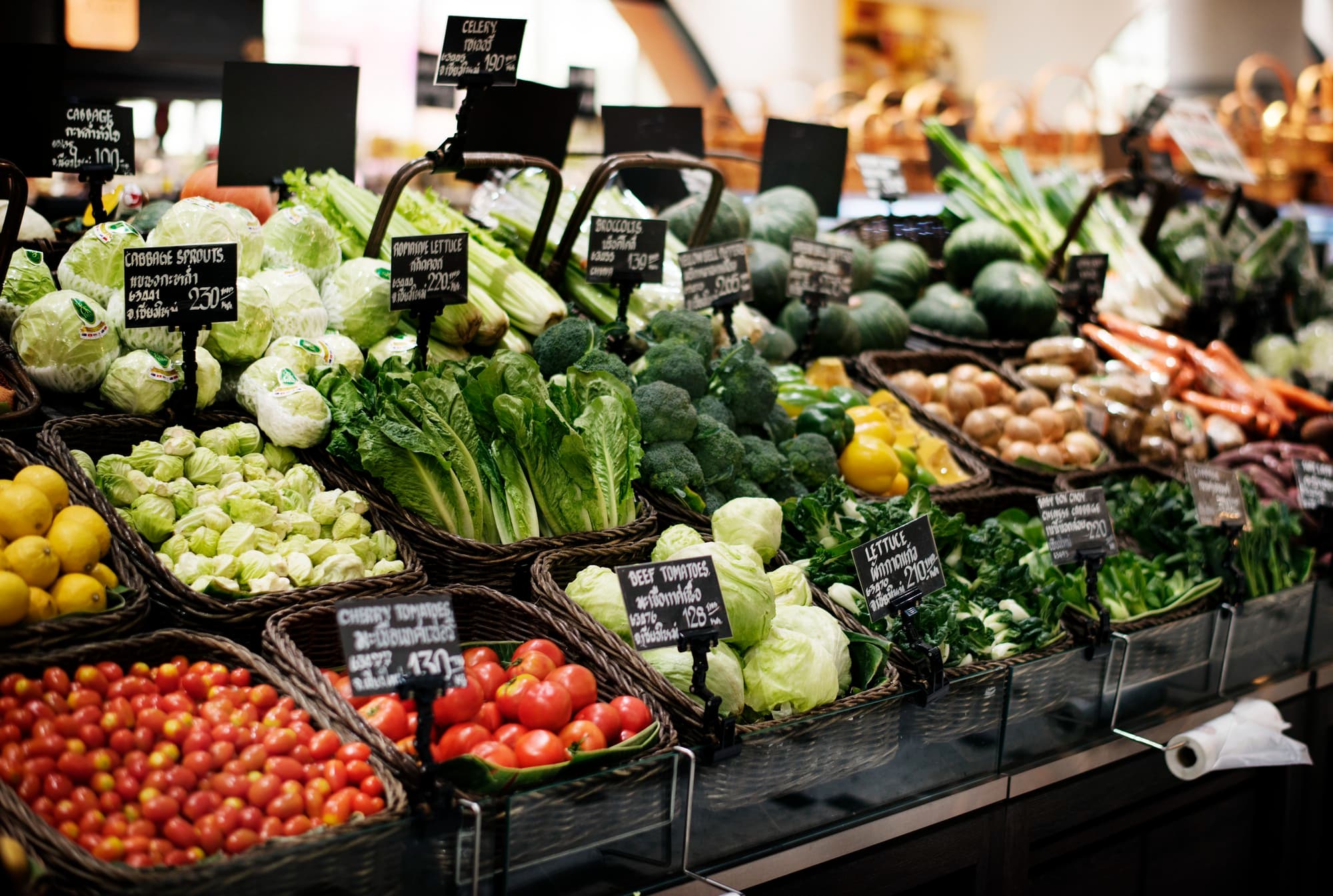
Fresh produce is excellent, but it is not always the most affordable option. Frozen and canned fruits and vegetables can be just as nutritious and often last longer, making them a smart option for healthy grocery shopping on a budget.
Smart budget picks:
- Frozen spinach
- Frozen broccoli
- Frozen mixed vegetables
- Frozen berries
- Canned tomatoes
- Canned pumpkin
- No-salt-added canned beans
Choose options without added sugars, heavy syrups, or excess sodium whenever possible. These products can support balanced meals while helping you stay within budget.
Shop Seasonal Produce for Better Value
Seasonal produce is often less expensive because it is more abundant and does not require as much transport or storage. It also tends to taste better and offer a stronger quality.
Examples of budget-friendly seasonal choices:
- Spring: spinach, asparagus, strawberries
- Summer: zucchini, tomatoes, berries, corn
- Fall: apples, squash, sweet potatoes
- Winter: cabbage, carrots, citrus, potatoes
Building meals around in-season produce is one of the most practical budget grocery tips for keeping healthy eating affordable.
Build Meals Around Affordable Protein Sources
Protein is essential for fullness, muscle support, and stable energy, but it does not have to come from expensive cuts of meat or premium products.
Affordable protein options include:
- Eggs
- Canned tuna
- Cottage cheese
- Plain Greek yogurt
- Lentils
- Chickpeas
- Black beans
- Tofu
- Ground turkey when on sale
Using plant-based proteins a few times a week can stretch your grocery budget while adding fiber and variety to your diet.
Stick to a Grocery List and Avoid Impulse Buys
A grocery list is one of the simplest tools for spending less and eating better. It helps you stay focused on what supports your goals and prevents random purchases that add up quickly.
To make your list more effective:
- Organize it by section: produce, protein, pantry, frozen, dairy
- Include quantities so you do not overbuy
- Leave out “just in case” items unless you truly need them
- Eat before shopping, so hunger does not drive your choices
The more intentional your list, the easier it becomes to shop with confidence.
Buy in Bulk When It Truly Saves Money
Bulk buying can be a smart move for foods you use consistently. It is especially helpful for pantry staples and freezer-friendly items.
Good bulk options:
- Rice
- Oats
- Dried beans
- Lentils
- Nuts and seeds
- Frozen proteins
- Whole-grain pasta
However, bulk shopping only works if you have the space, the budget upfront, and a plan to use the food. Buying large amounts of perishables often leads to waste, which cancels out the savings.
Keep Meals Simple
Healthy eating on a budget becomes much easier when you stop trying to make every meal complicated. A few simple ingredients can create balanced, satisfying meals.
Examples:
- Oatmeal with peanut butter and banana
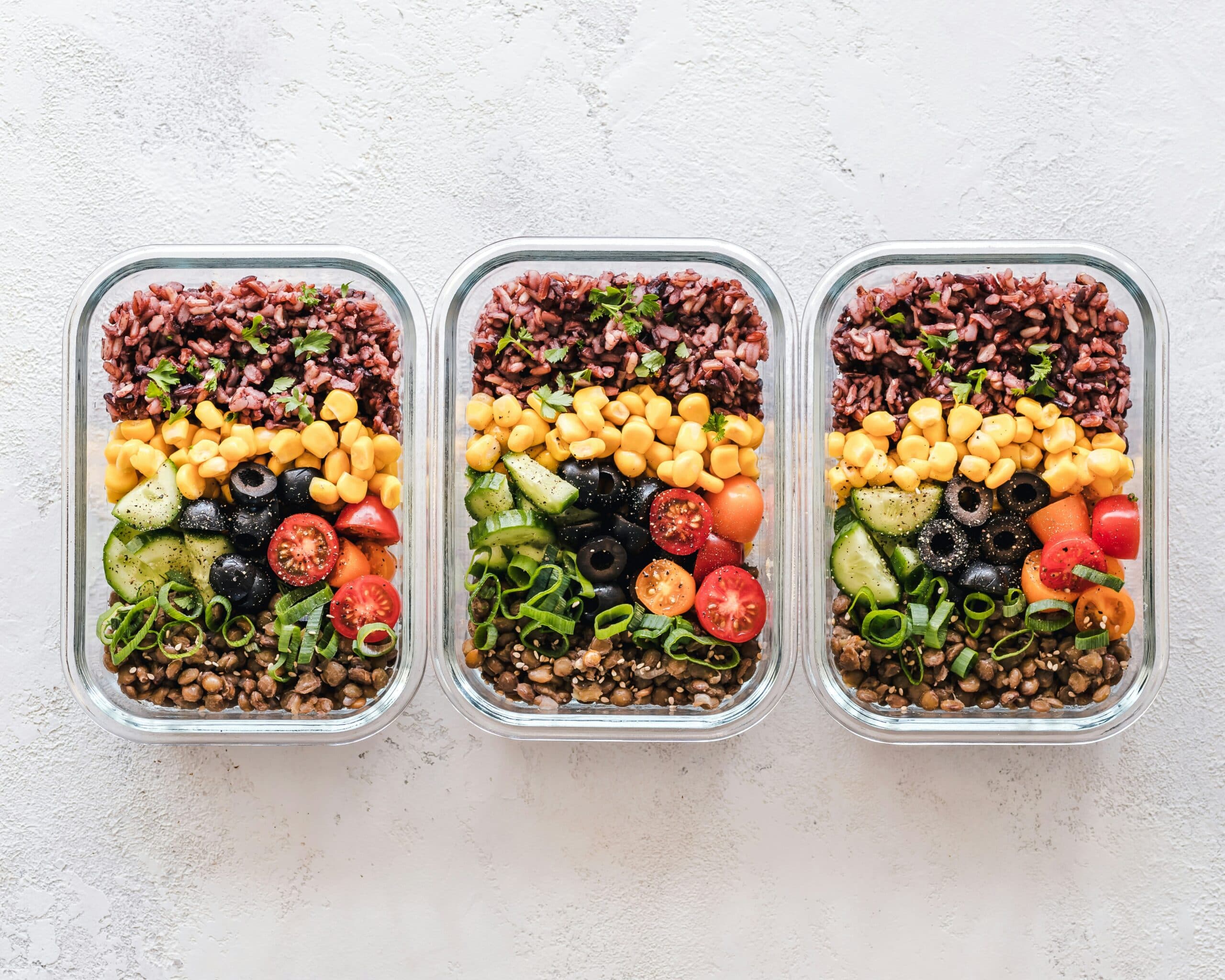
- Brown rice, black beans, salsa, and roasted vegetables
- Scrambled eggs with spinach and whole-grain toast
- Greek yogurt with berries and oats
- Tuna with crackers, carrots, and fruit
- Lentil soup with a side salad
Simple meals reduce decision fatigue, lower grocery costs, and make it easier to stay consistent.
Reduce Food Waste to Save More Money
One of the fastest ways to lower your grocery bill is to use what you buy. Wasted food is wasted money.
To reduce food waste:
- Plan meals that reuse ingredients
- Freeze leftovers before they spoil
- Store produce properly
- Use older vegetables in soups, stir-fries, or omelets
- Keep a “use first” section in your fridge
This habit alone can make a major difference in your weekly grocery spending.
Healthy Grocery Shopping on a Budget Is About Strategy, Not Restriction
You do not need to eliminate joy, variety, or nutrition just to stay within budget. The goal is to create a grocery routine that supports your health and your finances at the same time.
When you focus on affordable, healthy groceries, plan ahead, use simple ingredients, and shop intentionally, you can build a diet that feels both nourishing and realistic.
Small habits create lasting change, and smart grocery choices are often where healthy living begins.
Contact Aisle Insights
If you want personalized support building a budget-friendly grocery strategy that fits your health goals and lifestyle, contact Aisle Insights for customized nutrition and shopping guidance.
Recent Posts

Healthy Grocery Shopping for Families: What to Keep on Hand Every Week
March 20, 2026
How Personalized Nutrition Coaching Fits Into Any Lifestyle
February 14, 2026

Emotional Eating Help: Break the Cycle
February 11, 2026
Aisle Insights: Grocery Strategy + Meal Planning + Coaching
January 16, 2026
Is Nutrition Coaching Worth It? Benefits of Working With a Coach
January 16, 2026