

December 16, 2025
How Balanced Nutrition Affects Mental Health
Why What You Eat Shapes How You Feel
Mental health is influenced by many factors, stress, sleep, genetics, environment, but one often overlooked component is balanced nutrition. Research now shows a strong food–mood connection, revealing that the nutrients we consume directly impact brain function, emotional regulation, and overall well-being.
For people experiencing stress, burnout, anxiety, or simply trying to feel more energized and balanced, understanding how nutrition shapes mental health is a powerful first step. This guide explains both the science and the practical daily habits that support a healthier mind through a balanced diet.
The Science Behind the Food–Mood Connection
To understand the link between nutrition and mental health, we must look at the biological systems that regulate mood. Three major areas explain why food affects how we feel: neurotransmitters, inflammation, and the gut-brain axis.
1. Neurotransmitters and Brain Chemistry
Your brain uses chemical messengers like serotonin, dopamine, and GABA to regulate emotions, energy, motivation, and focus. These neurotransmitters rely on nutrients such as:
-
Tryptophan (found in turkey, eggs, oats)
-
Tyrosine (found in poultry, beans, seeds)
-
B vitamins (found in leafy greens, whole grains, legumes)
Without these building blocks, the brain struggles to produce the chemicals needed for stable mood and cognitive performance.
2. Inflammation and Mental Health
Chronic inflammation in the body has been linked to higher rates of depression and anxiety. Ultra-processed foods, added sugars, and trans fats can increase inflammation, while whole foods like vegetables, omega-3s, and berries help reduce it.
3. The Gut-Brain Axis
Your gut and brain communicate through what is called the gut-brain axis, a two-way biochemical messaging system. Roughly 90% of serotonin is produced in the gut, not the brain.
A diet rich in fiber, fermented foods, and diverse plant nutrients encourages a healthy microbiome, which leads to improved mood, reduced stress responses, and better emotional balance.
Nutrients That Support Mental Health
Balanced nutrition is essential for mental well-being. The following nutrients have particularly strong connections to mood, cognition, and emotional stability.
Omega-3 Fatty Acids
Found in salmon, sardines, chia seeds, and walnuts
Omega-3s support brain cell structure, reduce inflammation, and may ease symptoms of depression.
B Vitamins
Found in leafy greens, whole grains, eggs, legumes
B6, B9 (folate), and B12 are vital for neurotransmitter production and energy metabolism.
Magnesium
Found in almonds, spinach, pumpkin seeds, black beans
Known as a calming mineral, magnesium helps regulate stress, sleep quality, and relaxation.
Vitamin D
Found in fortified foods, eggs, salmon; also synthesized via sunlight
Low vitamin D levels have been linked to increased depressive symptoms and fatigue.
Antioxidants
Found in berries, dark leafy greens, carrots, tomatoes
These nutrients reduce oxidative stress, protecting brain cells and improving cognitive function.
Probiotics and Prebiotics
Found in yogurt, kefir, sauerkraut, kimchi; prebiotics in oats, bananas, onions, legumes
They help nourish gut bacteria that promote emotional stability and serotonin production.
How Your Eating Patterns Influence Mood
It’s not just what you eat, it’s also how you eat. Eating patterns play a significant role in mental health.
Blood Sugar Stability
Skipping meals, relying on sugary snacks, or eating irregularly can cause spikes and crashes in blood sugar, leading to mood swings, irritability, and fatigue. Balanced meals with protein, fiber, and healthy fats provide steady energy.
Regular Meal Timing
Consistent eating patterns support hormone regulation, reduce stress, and stabilize appetite cues.
Hydration
Even mild dehydration can impair mood, concentration, and endurance. Drinking water throughout the day supports mental clarity and emotional regulation.
Mood-Boosting Foods to Add to Your Diet
Incorporating the following foods into daily meals can help support mental clarity, emotional balance, and overall well-being.
Foods for Brain Health
-
Fatty fish
-
Blueberries
-
Walnuts
-
Leafy greens
Foods for Gut Health
-
Yogurt or kefir
-
Sauerkraut
-
Kimchi
-
High-fiber fruits and vegetables
Foods for Steady Energy
-
Oats
-
Eggs
-
Beans
-
Whole grains
Foods to Enjoy in Moderation
-
Sugary snacks
-
Processed meats
-
Fried foods
-
Excess caffeine
These foods can cause inflammation, disrupt the microbiome, or destabilize blood sugar, all of which impact mood.
The Role of Balanced Nutrition in Mental Wellness
Balanced nutrition doesn’t require perfection. It’s about consistency, awareness, and nourishing your body with a diverse range of whole foods.
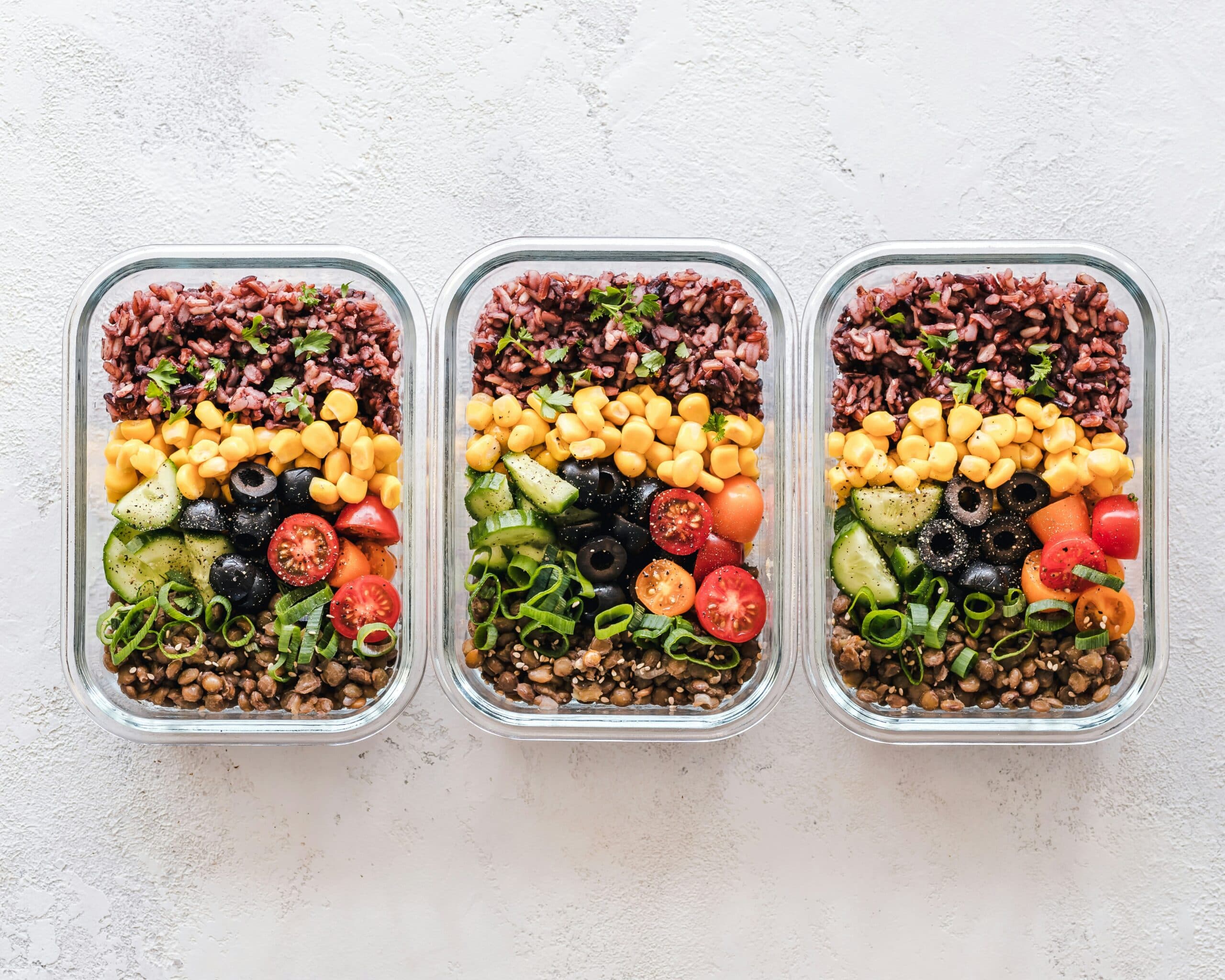
By focusing on whole grains, lean proteins, colorful produce, healthy fats, and gut-supporting ingredients, you create a strong foundation for better emotional resilience, energy, and cognitive performance.
Balanced nutrition sets the stage for:
-
More stable mood throughout the day
-
Improved stress tolerance
-
Better sleep quality
-
Sharper focus and productivity
-
Reduced symptoms of anxiety and depression
How Nutrition Coaching Can Strengthen Mental Health Outcomes
Working with a nutrition coach provides personalized strategies that help individuals build sustainable habits. A coach can help you:
-
Identify nutrient gaps impacting your mood
-
Create balanced meals that stabilize energy
-
Improve gut health through dietary diversity
-
Reduce emotional eating triggers
-
Build a long-term nutrition plan that supports mental well-being
Nutrition coaching goes beyond food lists, it empowers people to understand their bodies, create supportive routines, and shift their relationship with eating.
Contact Us Today
If you’re ready to improve your mental well-being through balanced nutrition, contact Aisle Insights for personalized nutrition coaching designed to support both your physical and emotional health.
Recent Posts

Healthy Grocery Shopping for Families: What to Keep on Hand Every Week
March 20, 2026

How to Grocery Shop Healthy on a Budget Without Sacrificing Nutrition
March 16, 2026

How Personalized Nutrition Coaching Fits Into Any Lifestyle
February 14, 2026

Emotional Eating Help: Break the Cycle
February 11, 2026

Aisle Insights: Grocery Strategy + Meal Planning + Coaching
January 16, 2026
Is Nutrition Coaching Worth It? Benefits of Working With a Coach
January 16, 2026